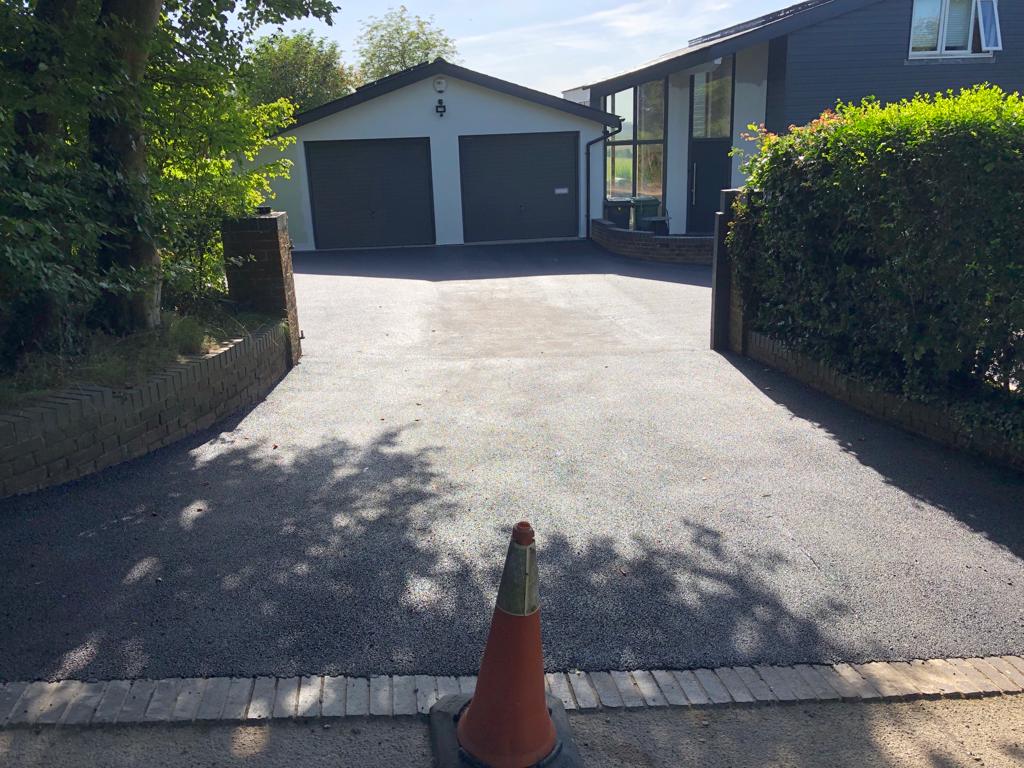
A durable road depends on far more than the quality of its visible surface. Asphalt or bitumen may provide the finished running layer, but the ground beneath it must be capable of supporting repeated vehicle movements without shifting, sinking or retaining excessive moisture.
For road construction projects in Wattle Glen, VIC, Australia, careful ground preparation is essential. When the subgrade, drainage and pavement layers are properly assessed and constructed, the finished road is better equipped to remain stable under regular use and changing weather conditions.
How Ground Preparation Supports a Durable Road Surface
Ground preparation creates the structural foundation of a road. It involves assessing the existing soil, removing unsuitable material, establishing the correct levels, managing water and constructing compacted supporting layers.
Each stage affects how the road distributes vehicle loads. If the foundation is inconsistent, even a professionally laid surface can eventually crack or deform because the materials below it are moving.
The Existing Ground Must Be Properly Assessed
Different soils respond differently to moisture, pressure and repeated traffic. Some remain relatively stable, while others soften when wet, expand, contract or compress under loading.
Before construction begins, the existing ground should be examined to determine whether it can provide suitable support. Weak topsoil, organic material, loose fill and excessively soft sections may need to be removed or improved.
This assessment helps establish:
- the depth of excavation required
- whether unsuitable material is present
- the appropriate pavement construction
- where additional reinforcement may be needed
- how surface and subsurface water should be managed
Without this information, a road may be built over weaknesses that remain hidden until the surface begins to fail.
Correct Excavation Creates a Consistent Formation
Excavation removes unsuitable ground and creates space for the supporting pavement layers. The depth must be appropriate for the anticipated traffic, ground conditions and selected surface.
An inconsistent formation can lead to uneven support. Areas with insufficient depth may settle differently from properly excavated sections, resulting in depressions, cracking or an irregular road profile.
The prepared formation should be stable, even and free from soft spots before the next layer is installed.
Compaction Reduces Movement Beneath the Road
Loose materials contain air pockets that can compress after vehicles begin using the road. If this settlement occurs unevenly, the surface may sink, ripple or crack.
Mechanical compaction increases the density and stability of the ground and each layer placed above it. The material should normally be installed and compacted in controlled layers rather than placed at full depth in one operation.
Effective compaction helps:
- minimise later settlement
- increase load-bearing capacity
- create consistent support
- reduce movement between pavement layers
- maintain the intended road profile
Compaction should be suited to the material and site conditions. Simply making the surface look firm does not confirm that the full depth has been adequately prepared.
A Strong Sub-Base Distributes Vehicle Loads
The sub-base sits between the prepared ground and the upper road layers. Its purpose is to spread vehicle loads across a wider area and provide a stable platform for the finished surface.
The required construction depends on how the road will be used. A lightly used private access route will place different demands on its foundation from a road carrying regular heavy vehicles.
Suitable aggregate, correct grading and thorough compaction allow the sub-base to work as a unified structural layer. If it is too thin, contaminated with soil or poorly compacted, the road may develop recurring defects despite repairs to the surface.
Drainage Must Be Considered From the Beginning
Water is one of the most significant causes of road deterioration. When it enters the pavement construction and becomes trapped, it can weaken the subgrade, wash out fine material and reduce the support beneath the surface.
Ground preparation should establish suitable levels and falls so that rainwater moves away rather than collecting in low areas. Depending on the site, appropriate drainage features may also be required to control water arriving from surrounding ground.
Effective drainage helps prevent:
- standing water
- softening beneath the road
- erosion along the edges
- saturated pavement layers
- premature potholes and cracking
Drainage should form part of the road design from the outset rather than being treated as an addition after surfacing.
Edge Support Protects the Pavement Structure
Road edges are often more vulnerable because they receive less surrounding support than the centre of the pavement. Vehicles repeatedly travelling close to an unsupported edge can cause cracking, crumbling or spreading.
Proper preparation should account for edge restraint, adjoining ground levels and water movement. Stable shoulders or suitable edging can help retain the pavement layers and protect the finished surface.
This is particularly important on narrow access roads where vehicles may regularly travel close to the outer edge.
Poor Preparation Leads to Recurring Surface Defects
When a road cracks, sinks or develops potholes, the visible defect may only be a symptom. If the underlying ground or sub-base is unstable, repairing the surface alone may provide only temporary improvement.
Common signs of foundation-related problems include:
- depressions returning after repair
- cracks forming in the same locations
- wheel-track rutting
- loose or crumbling edges
- water repeatedly collecting in low spots
- widespread surface deformation
Identifying the underlying cause is essential before deciding whether local repairs, resurfacing or more substantial reconstruction is appropriate.
Professional Construction Begins Below the Surface
Long-lasting road construction requires coordination between excavation, drainage, material selection, layer depth, compaction and surfacing. Each stage must be completed correctly before the next begins.
Professional preparation also allows the pavement design to reflect the site’s actual use. This avoids relying on a generic construction approach that may not suit the ground conditions or expected traffic.
Conclusion
Proper ground preparation is essential because every part of a road relies on the stability of the layers beneath it. Suitable excavation, effective drainage, thorough compaction and a well-constructed sub-base help distribute vehicle loads and reduce the likelihood of settlement, cracking and potholes.
For road construction in Wattle Glen, VIC, Australia, attention to the foundation provides the best starting point for a dependable surface. Wattle Glen Road Tech can assess the site and recommend an appropriate construction approach based on the ground conditions and intended use. Contact the team to discuss your road or access project.
Call us on: 03 9068 7895
Click here to find out more about Wattle Glen Road Tech
Click here to complete our contact form and see how we can help with your driveway needs.