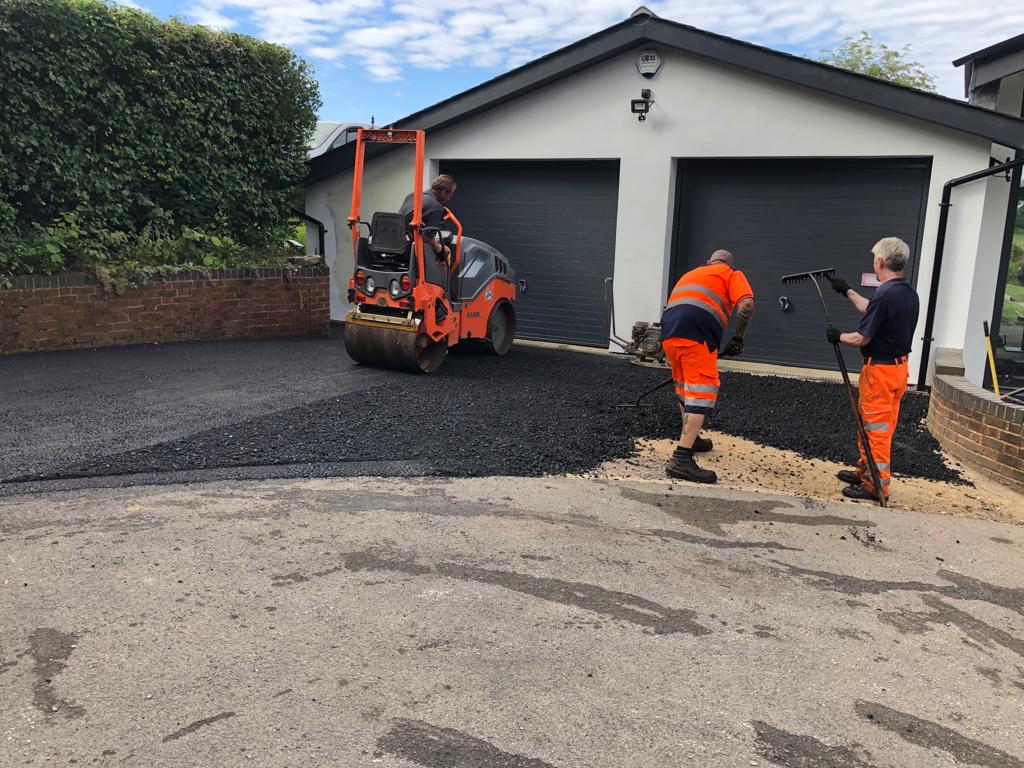
Building a durable road surface requires careful planning, suitable materials and a well-managed construction process. A road must be able to withstand regular traffic, changing weather conditions and the gradual stresses caused by repeated use. If important stages are rushed or completed incorrectly, problems such as cracking, potholes, surface movement and poor drainage can develop much sooner than expected.
For property owners and businesses in Wattle Glen, VIC, understanding how road construction works can help when planning a new access road, private roadway or resurfacing project. Each stage contributes to the strength and performance of the finished surface, from preparing the ground to applying the final layer.
The Main Stages of Building a Strong and Reliable Road Surface
1. Site Assessment and Initial Planning
Every successful road construction project begins with an assessment of the site. The ground conditions, existing surface, intended traffic levels and surrounding landscape all influence how the road should be designed.
The assessment helps identify potential challenges, such as soft ground, uneven terrain, existing drainage problems or areas where water is likely to collect. The expected use of the road is also important, as a surface intended for heavy vehicles will require a different construction approach from one designed for occasional light traffic.
Careful planning at this stage helps establish suitable construction methods and reduces the likelihood of problems developing later.
2. Clearing and Preparing the Ground
Once the site has been assessed, the construction area needs to be cleared and prepared. Existing vegetation, loose materials, unsuitable soil and any damaged sections of an old surface may need to be removed.
The ground is then shaped to establish the required levels and contours. Proper preparation is essential because the finished road will only be as reliable as the foundation beneath it.
If weak or unstable material is left in place, the road may develop uneven areas or begin to settle under repeated traffic. Identifying and addressing these issues before construction progresses helps create a more dependable base.
3. Establishing a Stable Subgrade
The subgrade is the prepared natural ground that supports the road’s construction layers. It plays a major role in determining how well the finished surface performs over time.
The ground may need to be shaped, improved and compacted to provide a consistent foundation. Where soil conditions are unsuitable, additional preparation or stabilisation may be required.
Proper compaction reduces the risk of excessive movement beneath the road. Without it, traffic loads can cause the surface to sink, crack or develop depressions.
4. Installing and Compacting the Road Base
The road base sits above the subgrade and provides much of the structural support needed to carry traffic loads. It is generally formed using suitable graded aggregate, selected according to the project requirements.
The material needs to be spread evenly and compacted in controlled layers to achieve the required density. This creates a firm platform that helps distribute vehicle loads and supports the surface above.
An uneven or poorly compacted base can lead to premature deterioration, even when high-quality surfacing materials are used. Careful attention to this stage is therefore essential for long-term durability.
5. Managing Drainage and Surface Levels
Effective drainage is one of the most important considerations in road construction. Water that remains on the surface or enters the underlying layers can weaken the road structure and contribute to potholes, cracking and erosion.
The road should be shaped to encourage water to drain towards suitable collection points or surrounding drainage systems. Crossfalls, gradients, table drains and other drainage features may be incorporated depending on the site.
In Wattle Glen, local ground conditions and rainfall exposure should be considered when planning drainage. A properly designed system helps prevent water from accumulating and reduces the risk of moisture-related damage.
6. Applying the Final Road Surface
Once the underlying layers have been prepared and checked, the final surfacing material can be installed. The appropriate choice depends on the intended use of the road, expected traffic and required performance.
Asphalt and other suitable road surfacing materials can provide a smooth, functional finish when installed over a properly prepared foundation. The material needs to be distributed evenly and finished to the correct levels to maintain a consistent surface.
Correct installation is important because variations in thickness, poor bonding or an unsuitable finish can affect how the road performs under regular use.
7. Final Checks and Ongoing Maintenance
Before a newly constructed road is put into regular use, the finished surface should be checked for consistency, drainage performance and visible defects. Any issues identified during this stage can be addressed before they become more difficult to manage.
However, even a well-built road requires ongoing maintenance. Regular inspections can help identify early signs of cracking, surface wear, drainage blockages and pothole development.
Addressing minor defects promptly helps preserve the condition of the surface and reduces the likelihood of more extensive deterioration.
Why Professional Road Construction Matters
Each construction stage affects the performance of the stages that follow. A smooth surface cannot compensate for a weak foundation, and even a strong road base may deteriorate if drainage has not been properly considered.
Wattle Glen Road Tech understands the importance of careful preparation, suitable materials and quality workmanship when building reliable road surfaces. By considering the site conditions and intended use of the road, the right construction approach can be selected to support lasting performance.
Conclusion
Building a durable road surface involves several connected stages, including site assessment, ground preparation, subgrade compaction, road base installation, drainage management and final surfacing. Each step contributes to the strength, stability and long-term reliability of the finished road.
For property owners and businesses in Wattle Glen, VIC, professional construction can help ensure that these stages are completed with care and attention to the site requirements. If you are planning a new road surface or need improvements to an existing one, contact Wattle Glen Road Tech to discuss your project and the most suitable approach.
Call us on: 03 9068 7895
Click here to find out more about Wattle Glen Road Tech
Click here to complete our contact form and see how we can help with your driveway needs.